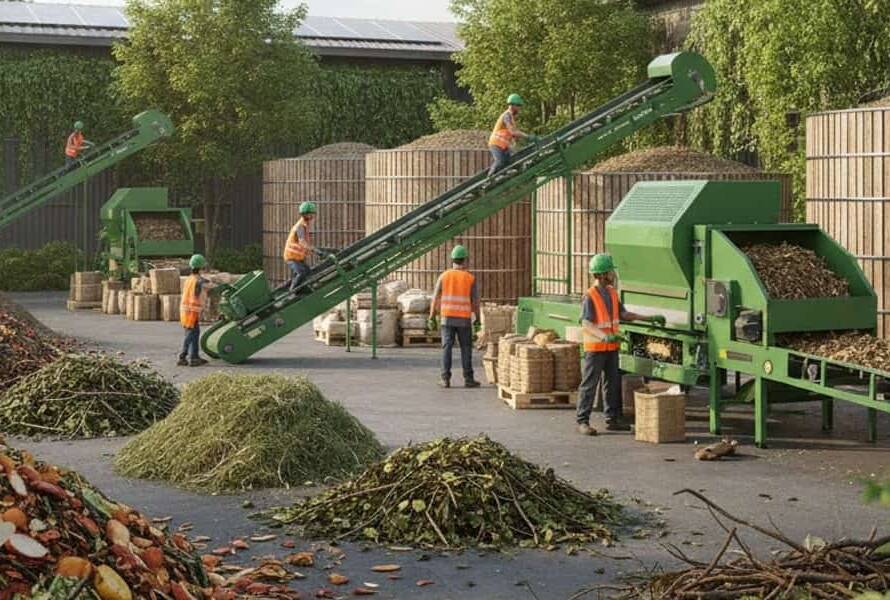



The best way to manage waste is to separate it at the source and process each type using the right method. Organic recycling turns biodegradable waste into useful compost, while proper handling of plastic ensures it can be reused instead of ending up in landfills. When done correctly, this approach reduces environmental harm, improves efficiency, and supports long term sustainability for businesses.
Why Proper Waste Handling Matters
Many businesses generate large amounts of mixed waste every day. When organic and plastic materials are not separated, they often end up in landfills. This leads to pollution, higher disposal costs, and missed opportunities to recover valuable resources.
We have seen how simple changes in waste handling can make a big difference. When businesses take a structured approach, they not only reduce waste but also improve their overall operations.
Understanding Organic Waste and Its Impact
Organic waste includes materials that naturally break down over time. This category typically involves:
- Food scraps
- Garden waste
- Paper based materials
When sent to landfills, this type of waste produces harmful gases. A better solution is to recycle it through controlled processes.
How Organic Waste Is Managed
The process usually involves:
- Collection from the source
- Sorting to remove non-biodegradable items
- Processing into compost or similar products
This method helps return nutrients to the soil and reduces environmental impact.
Practical Use Case
For example, a restaurant that separates food waste can significantly lower disposal costs. Instead of sending everything to a landfill, they contribute to compost production, which is more sustainable.
Challenges of Plastic Waste
Plastic is widely used in packaging and daily operations. However, it does not break down easily and can remain in the environment for years if not handled properly.
This is where Plastics recycling becomes essential. It ensures that plastic materials are collected, processed, and reused instead of being discarded.
How Plastic Waste Is Recycled
The recycling process typically includes:
- Sorting plastics by type
- Cleaning to remove contaminants
- Shredding into smaller pieces
- Melting and reshaping into new products
This reduces the need for new raw materials and lowers overall environmental impact.
Key Steps for Effective Waste Management
To handle organic and plastic waste efficiently, businesses should follow a structured approach:
- Separate Waste at the Source
Keep organic and plastic materials in different bins to avoid contamination.
- Partner with Professionals
Work with experienced recycling providers who understand proper handling and compliance requirements.
- Train Staff
Ensure employees know how to sort waste correctly.
- Monitor Waste Output
Track how much waste is generated and recycled to improve efficiency over time.
Common Mistakes to Avoid
Many businesses struggle with waste management due to simple errors, such as:
- Mixing recyclable and non-recyclable materials
- Using improper disposal methods
- Ignoring documentation and compliance
Avoiding these mistakes can save costs and improve sustainability outcomes.
Why Choose Us?
At Re Source Recycling, we focus on delivering solutions that are both practical and environmentally responsible. Our team understands the importance of proper waste handling and works closely with businesses to create effective recycling strategies.
Here is what makes our approach effective:
- Advanced processing systems
- Compliance with environmental regulations
- Transparent reporting
- Scalable solutions for different industries
This ensures that waste is managed properly from collection to final processing.
Benefits of a Structured Recycling Approach
When businesses adopt proper waste handling methods, they experience:
- Lower disposal costs
- Improved environmental performance
- Better compliance with regulations
- Stronger brand reputation
These benefits make recycling an essential part of modern business operations.
Take the Next Step Toward Smarter Waste Management
If your business is ready to improve waste management and reduce environmental impact, we are here to help. At Re Source Recycling, we provide reliable and responsible solutions tailored to your needs. Contact us today to learn how we can support your recycling goals and help you build a more sustainable future.
Frequently Asked Questions
- What is the best way to separate organic and plastic waste?
The best approach is to separate waste at the source using clearly labeled bins. Organic waste should be kept free from plastic contamination, while plastics should be sorted by type. This improves recycling efficiency and ensures materials are processed correctly. - Why is it important to recycle organic waste?
Recycling organic waste helps reduce landfill use and prevents harmful gas emissions. It also allows the waste to be converted into compost, which can be used to improve soil quality and support sustainable practices. - Can all types of plastic be recycled?
Not all plastics are recyclable. Some types require specialized processing, while others may not be accepted due to contamination or material composition. Proper sorting and working with a professional recycling provider can help manage this effectively. - How does plastic recycling benefit businesses?
Plastic recycling reduces waste disposal costs, supports environmental goals, and helps businesses comply with regulations. It also improves brand image by showing a commitment to responsible waste management. - What happens if organic and plastic waste are mixed together?
When waste is mixed, it becomes harder to recycle and often ends up in landfills. Contamination reduces the quality of recyclable materials and increases processing costs, making separation essential. - How can businesses start improving their waste management?
Businesses can begin by identifying their waste types, setting up separate bins, training staff, and partnering with a professional recycling company to handle collection and processing. - Is professional recycling necessary for small businesses?
Yes, even small businesses benefit from professional recycling services. It ensures proper handling, compliance with regulations, and helps reduce long term costs while supporting sustainability efforts. - How does proper waste management impact the environment?
Effective waste management reduces pollution, conserves natural resources, and minimizes landfill use. It plays a key role in protecting ecosystems and creating a cleaner environment for future generations.