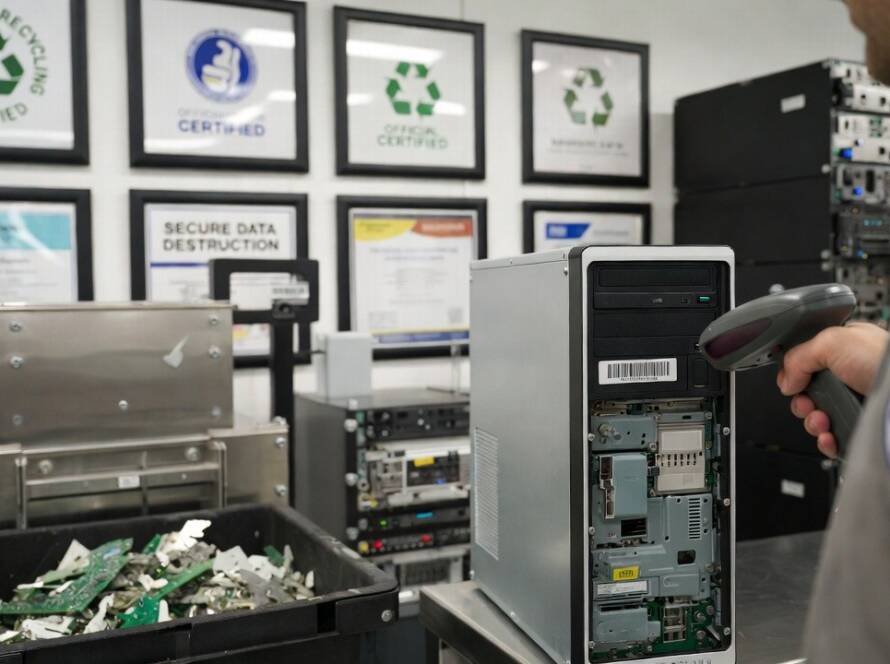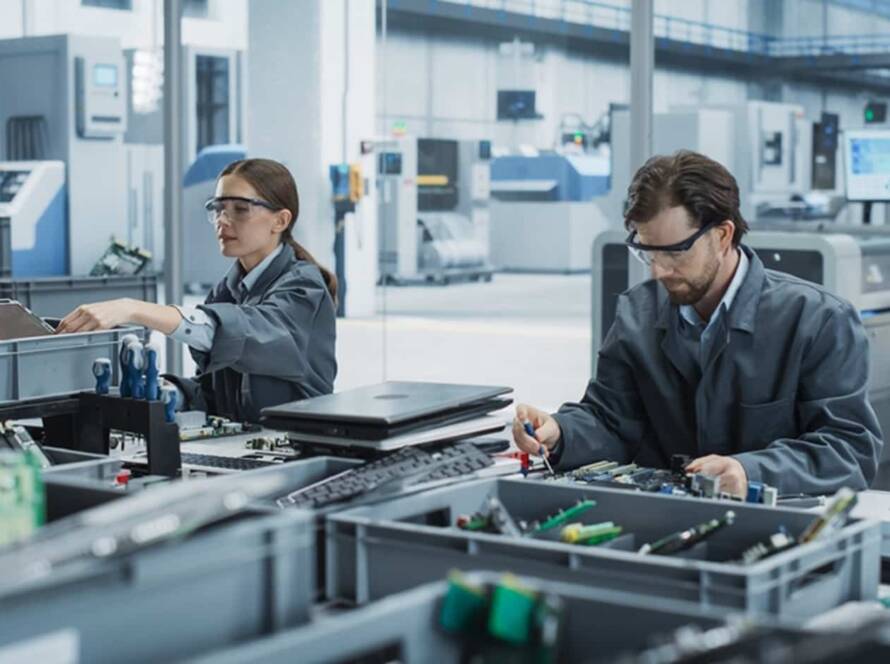



The most effective way to manage outdated electronics is through safe handling, proper recycling, and certified disposal methods. Electronic waste disposal ensures that harmful materials are kept out of landfills while valuable components are recovered and reused. For businesses and organizations, this approach not only protects the environment but also helps meet compliance requirements and maintain data security.
Why Electronic Waste Is a Growing Concern
Electronic waste is one of the fastest growing waste streams worldwide. Devices such as computers, phones, servers, and office equipment become obsolete quickly. When these items are not handled properly, they release toxic substances like lead and mercury into the environment.
We often see businesses storing old electronics without a clear disposal plan. This not only creates clutter but also increases the risk of data exposure and environmental harm. A structured approach to disposal is essential to avoid these risks.
Understanding What Counts as Electronic Waste
Electronic waste includes any device that runs on electricity and is no longer in use. Common examples include:
- Desktop computers and laptops
- Mobile phones and tablets
- Printers and scanners
- Servers and networking equipment
- Hard drives and storage devices
Each of these items contains materials that can either harm the environment or be recovered and reused.
Best Solutions for Managing Electronic Waste
Handling electronic waste effectively requires a combination of safe practices and professional support. Here are the most reliable solutions:
- Secure Collection and Handling
The first step is to collect electronic waste safely. Devices should be stored in a secure area to prevent damage or unauthorized access. This is especially important for items that may contain sensitive data.
- Data Protection and Destruction
Before recycling, it is essential to ensure that all stored data is permanently removed. Professional processes such as physical destruction or certified wiping methods are used to eliminate any risk of data recovery.
- Responsible Recycling
This is where electronics recycling services in Toronto play a key role. These services ensure that electronic components are dismantled and sorted properly. Valuable materials like metals and plastics are recovered and reused, while hazardous substances are handled safely.
- Environmental Compliance
Proper disposal must follow environmental regulations and industry standards. Certified providers ensure that all processes meet legal requirements, helping businesses avoid penalties and maintain compliance.
- Documentation and Transparency
Reliable recycling services provide documentation such as certificates of recycling and destruction. This gives businesses proof that their electronic waste has been handled responsibly.
Benefits of Professional Recycling Services
Working with a professional provider offers several advantages:
- Reduced Environmental Impact
Prevents harmful materials from entering landfills - Improved Data Security
Ensures sensitive information is permanently destroyed - Regulatory Compliance
Meets industry and government standards - Resource Recovery
Allows valuable materials to be reused in manufacturing - Operational Efficiency
Simplifies the disposal process for businesses
Common Mistakes to Avoid
Many businesses make avoidable errors when handling electronic waste, such as:
- Throwing electronics in regular trash
- Storing outdated devices for long periods
- Ignoring data security risks
- Using unverified disposal methods
Avoiding these mistakes can significantly improve both environmental and operational outcomes.
Why Choose a Re-Source Recycling?
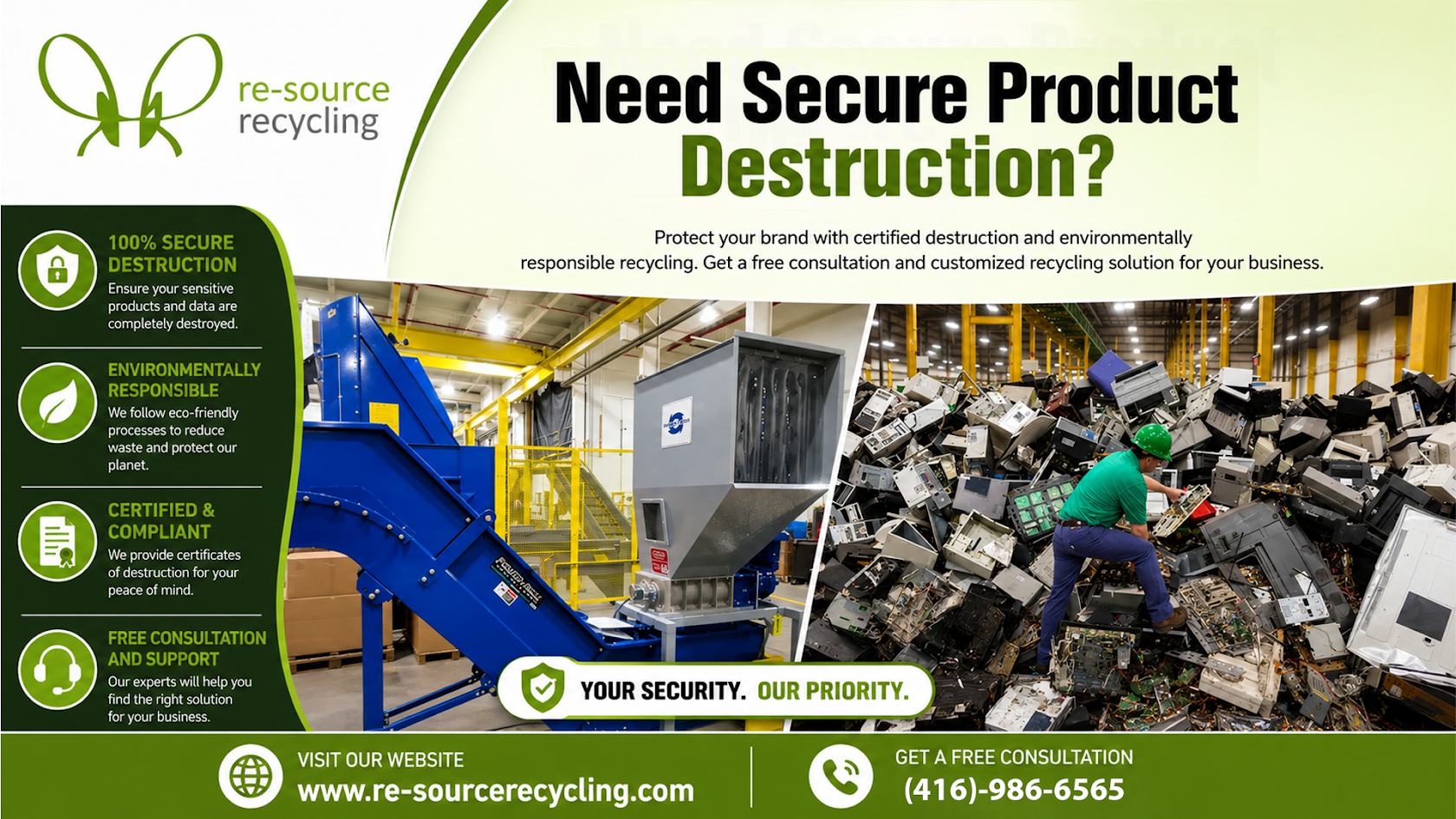
At Re-Source Recycling, we focus on providing secure and environmentally responsible solutions for electronic waste. Our approach ensures that every device is handled with care, from collection to final processing.
We use advanced systems to safely dismantle electronics and recover reusable materials. At the same time, we ensure that all data is destroyed according to strict standards. Our process is transparent, and we provide documentation to support compliance and accountability.
How to Get Started
If your business wants to improve electronic waste management, consider these simple steps:
- Identify and separate outdated electronic devices
- Store them securely until disposal
- Partner with a certified recycling provider
- Ensure proper data destruction methods are used
- Track and document the disposal process
These steps create a structured and reliable system for managing electronic waste.
Take Control of Your Electronic Waste Today
If your business is ready to handle electronic waste safely and responsibly, we are here to help. At Re-Source Recycling, we provide secure, compliant, and environmentally responsible solutions tailored to your needs. Contact us today to learn how we can support your electronic waste disposal and recycling goals.
Frequently Asked Questions
- What is electronic waste disposal?
Electronic waste disposal is the process of safely handling and discarding old or unused electronic devices. It includes proper collection, data removal, and recycling to ensure harmful materials do not damage the environment. - Why is proper electronic waste disposal important?
Improper disposal can release toxic substances into the environment and create health risks. It also increases the chances of data breaches if sensitive information is not securely destroyed. - What items are considered electronic waste?
Electronic waste includes computers, laptops, mobile phones, printers, servers, hard drives, and other devices that run on electricity and are no longer in use. - How can businesses ensure data security during disposal?
Businesses should use certified processes such as secure wiping or physical destruction of storage devices. This ensures that all data is permanently removed and cannot be recovered. - What happens to electronics after recycling?
After collection, electronics are dismantled, and materials like metals and plastics are separated. These materials are then reused in manufacturing, reducing the need for new resources. - Are electronics recycling services suitable for small businesses?
Yes, recycling services are beneficial for businesses of all sizes. They help ensure proper disposal, improve compliance, and reduce environmental impact. - Can all electronic devices be recycled?
Most electronic devices can be recycled, but the process may vary depending on the type and condition. Professional recycling providers can determine the best method for each item. - How often should businesses dispose of electronic waste?
It depends on the volume of devices used, but regular audits and scheduled disposal help prevent accumulation and reduce risks related to storage and data security.