

Every business eventually faces the problem of unsellable inventory. Products may be returned by customers, damaged during transportation, recalled for safety reasons, or simply become outdated. When this happens, companies must decide how to remove these items from circulation without creating legal, environmental, or brand risks.
Improper disposal can lead to serious problems. Products might reappear in secondary markets, counterfeit resellers may obtain them, or hazardous materials may end up in landfills. These situations can damage a company’s reputation and create regulatory complications.
The most responsible approach is to work with a professional recycling and destruction provider that understands compliance, sustainability, and brand protection. At Re-Source Recycling, we regularly assist businesses that need structured solutions for managing unsellable goods while protecting both their reputation and the environment.
Why Unsellable Inventory Is a Serious Business Issue
Unsellable inventory is more than just excess stock. It can create operational challenges and financial losses if it is not handled properly.
Many organizations underestimate the risks associated with keeping defective or obsolete products in storage. Warehouses become overcrowded, inventory management becomes difficult, and unsellable goods may accidentally re-enter distribution channels.
There are several risks businesses must consider:
- Products may be resold in unauthorized markets
- Defective goods could harm consumers if redistributed
- Regulatory violations may occur during recalls
- Storage costs increase as unusable items accumulate
For companies in industries such as retail, manufacturing, and e-commerce, managing returns and defective goods is an ongoing challenge. A structured disposal process helps eliminate these risks while maintaining compliance.
Common Reasons Businesses End Up With Unsellable Inventory
Unsellable inventory can occur for many different reasons. Even well-managed companies occasionally face these situations.
Some of the most common causes include:
- Product recalls due to safety concerns
- Damaged items during shipping or storage
- Defective manufacturing batches
- Customer returns that cannot be resold
- Expired or outdated products
E-commerce companies often experience high return rates, especially for consumer goods and electronics. Once returned items are opened or damaged, they cannot always be placed back into the market.
Businesses must also manage obsolete inventory when product packaging changes or new models replace older versions. These items may still function, but they cannot be sold under current brand standards.
Why Secure Inventory Destruction in Ontario Is Often Necessary
In many cases, the safest solution is secure Inventory destruction in Ontario. This process ensures that unsellable goods are permanently removed from circulation and cannot be recovered or resold.
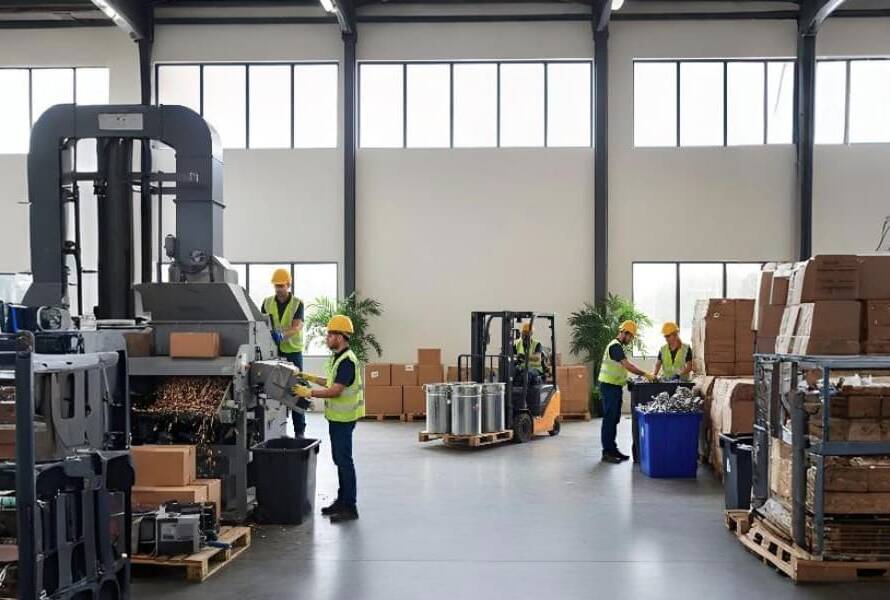
Professional destruction services use high-capacity industrial equipment to break down products completely. Once destroyed, materials are separated and directed into recycling streams whenever possible.
Secure destruction protects businesses in several ways. It prevents counterfeit resale, supports regulatory compliance, and ensures recalled or defective products never reach consumers.
Companies also receive documentation confirming that the inventory has been destroyed. This record is important for internal reporting, regulatory audits, and product recall management.
How Professional Inventory Disposal in Toronto Works
Responsible Inventory disposal in Toronto follows a structured process designed to protect both businesses and the environment.
The process usually begins with a review of the materials. Each shipment is assessed to determine the safest and most efficient way to process it.
Typical steps include:
- Receiving and verifying the inventory shipment
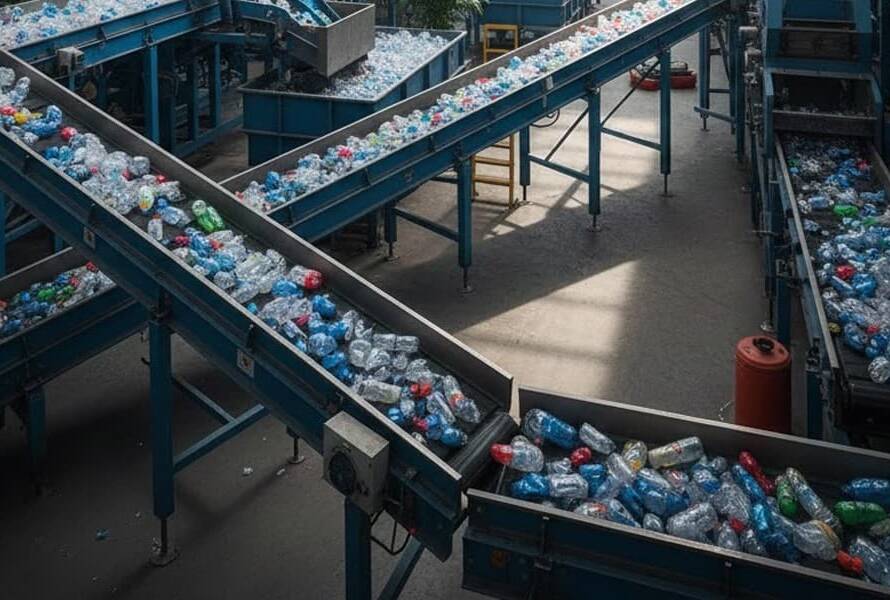
- Sorting materials for destruction or recycling
- Processing items through industrial shredding systems
- Recovering recyclable materials such as metals, plastics, and paper
Documentation is also an important part of the process. Businesses often require verification that their products were handled properly and destroyed according to regulatory standards.
At Re-Source Recycling, we provide confirmation of destruction along with optional verification records so businesses can maintain clear compliance documentation.
Environmental Responsibility and Recycling Benefits
Modern waste management focuses heavily on sustainability. Businesses are expected to reduce landfill waste and recover reusable materials whenever possible.
Inventory destruction does not necessarily mean everything is discarded. Many products contain materials that can be recycled and reused in manufacturing.
Examples of recoverable materials include metals, plastics, paper packaging, and textiles. Electronic components can also be processed safely to prevent environmental contamination.
Responsible recycling provides several benefits for organizations:
- Reduces environmental impact
- Supports corporate sustainability initiatives
- Helps companies meet environmental regulations
By diverting materials from landfills, businesses contribute to more sustainable resource management while maintaining responsible disposal practices.
How Businesses Can Prevent Inventory Risks
While some unsellable inventory is unavoidable, businesses can reduce risks by implementing better inventory management strategies.
Clear procedures should exist for handling defective goods, product returns, and discontinued stock. Storage areas should also be monitored to ensure unsellable items are separated from active inventory.
Businesses should also maintain partnerships with certified recycling providers. Having a reliable disposal solution in place allows companies to respond quickly when product recalls or large return volumes occur.
A proactive strategy helps organizations maintain control over inventory while protecting their brand and environmental commitments.
FAQs
- What is inventory destruction?
Inventory destruction is the controlled process of permanently destroying products that cannot be sold or reused. The goal is to prevent these goods from re-entering the marketplace.
- Why do companies destroy unsellable inventory?
Businesses destroy inventory to protect their brand, comply with product recall regulations, and prevent defective or damaged goods from being resold.
- What types of products can be destroyed?
Many types of products can be destroyed, including electronics, clothing, packaging materials, consumer goods, and defective manufacturing batches.
- Is inventory destruction environmentally responsible?
Yes. When handled by professional recycling facilities, many materials are recovered and recycled rather than sent to landfills.
- Do businesses receive documentation after destruction?
Most professional providers issue certificates of destruction and other documentation confirming that the products were processed properly.
- Can returned products from e-commerce be destroyed?
Yes. Returned items that cannot be resold are often destroyed or recycled to prevent unauthorized resale.
- How long does the destruction process take?
The timeline depends on the volume and type of inventory. Large shipments may require sorting and processing before final destruction.
- How can businesses choose a reliable destruction partner?
Companies should work with licensed recycling facilities that follow environmental regulations and provide transparent documentation of the destruction process.
Looking for a Reliable Inventory Destruction Partner?
If your business is dealing with defective products, large volumes of returns, or outdated inventory, it is important to manage those materials responsibly. Re-Source Recycling provides secure product destruction and environmentally responsible recycling services for businesses across Ontario.
Contact our team today to discuss how we can help you safely remove unsellable inventory while protecting your brand and supporting sustainable waste management practices.