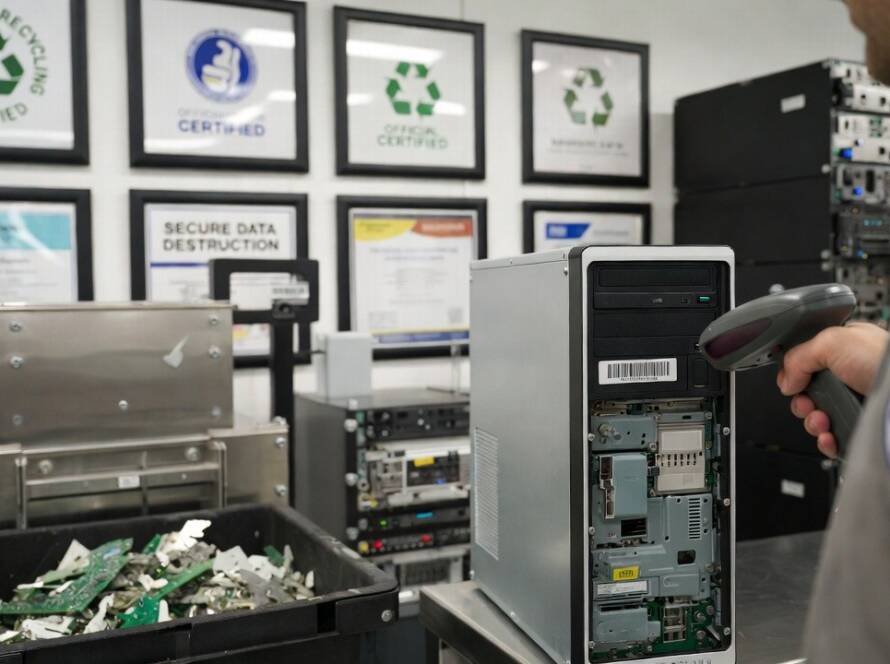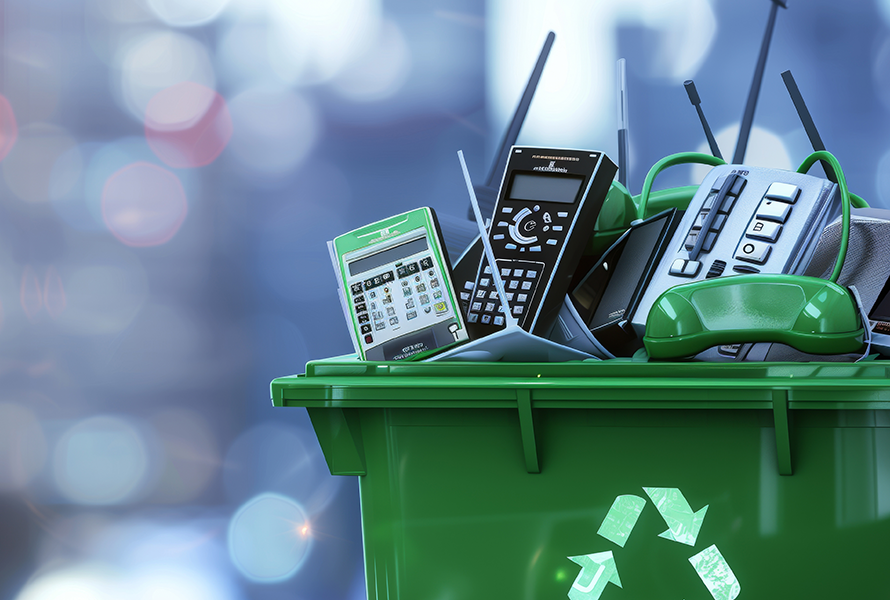



Managing old computers, phones, and office equipment can feel overwhelming. Many businesses struggle with safely disposing of outdated electronics while meeting regulatory and environmental standards. Electronics waste recycling offers a responsible path forward, allowing organizations to protect sensitive data, comply with regulations, and reduce environmental impact. Working with certified electronics recycling provider ensures that every device is handled professionally, documented, and recycled according to strict industry standards.
What Is Electronics Waste Recycling?
Electronics waste recycling involves collecting, dismantling, and processing electronic devices that are no longer in use. This includes computers, laptops, mobile devices, printers, networking equipment, and more. Instead of sending these items to landfills, certified recyclers recover valuable materials like metals, plastics, and components for reuse. Proper recycling also prevents toxic substances like lead, mercury, and cadmium from entering the environment.
Why Certified Electronics Recycling Providers Matter
Not all recycling services follow the same protocols. Certified electronics recycling provider ensures compliance with environmental regulations, data protection standards, and responsible material recovery. Certification often includes audits, documentation, and adherence to frameworks like R2-V3 or ISO 14001, providing businesses with proof of responsible disposal. Choosing a certified provider reduces liability, protects your reputation, and guarantees that electronic assets are handled ethically.
Common Risks of Improper E-Waste Disposal
Businesses that dispose of electronics incorrectly may face several risks:
- Data breaches: Unsecured devices can expose sensitive information.
- Regulatory fines: Violating environmental or data protection laws can be costly.
- Environmental harm: Toxic materials from electronics can contaminate soil and water.
- Reputation damage: Clients and partners expect responsible disposal practices.
These risks highlight why professional e-waste recycling is not optional but a necessary practice for any organization.
How Re-Source Recycling Handles E-Waste Securely
Re-Source Recycling provides a comprehensive e-waste management service designed for businesses of all sizes:
- Secure data destruction: Hard drives, SSDs, and other storage devices are shredded or wiped, with Certificates of Destruction provided.
- Certified processing: Every electronic device is processed according to R2 and ISO standards.
- Detailed reporting: Businesses receive documentation of each step for compliance audits.
- Wide material coverage: Laptops, desktops, printers, copiers, networking gear, and other office electronics are all accepted.
- Environmentally responsible recycling: Metals, plastics, and other components are recovered and reused wherever possible.
This approach ensures that businesses can recycle electronics safely without worrying about regulatory or environmental consequences.
Benefits of Partnering with a Certified Provider
Working with a certified provider offers multiple advantages:
- Compliance assurance with local and federal regulations.
- Secure handling of sensitive corporate data.
- Environmental responsibility by diverting waste from landfills.
- Documentation and transparency to support audits and reporting.
- Simplified logistics with on-site pickup and processing options.
Practical Steps for Businesses to Recycle Electronics
- Inventory all electronic assets: Identify devices ready for disposal.
- Evaluate data sensitivity: Determine which items require secure data destruction.
- Choose a certified provider: Ensure compliance and environmental standards are met.
- Schedule pickup or drop-off: Many providers offer flexible options for businesses.
- Receive documentation: Keep Certificates of Destruction and recycling reports for your records.
- Monitor ongoing compliance: Regularly review recycling practices to maintain responsibility.
FAQs
Q1: What types of electronics can be recycled?
Laptops, desktops, servers, printers, copiers, mobile devices, and networking equipment can all be recycled.
Q2: Why is certification important for recycling providers?
Certification ensures compliance with environmental regulations, proper material handling, and secure data destruction.
Q3: How is sensitive data destroyed?
Devices are shredded or securely wiped, with Certificates of Destruction provided for compliance purposes.
Q4: Does recycling electronics save money?
Yes, recovering valuable materials reduces disposal costs and may qualify for tax benefits or rebates.
Q5: Can large corporations use the same service as small businesses?
Yes, certified providers handle both small and large-scale e-waste, including multi-location businesses.
Q6: What happens to the materials after recycling?
Metals, plastics, and other components are recovered and reused, minimizing environmental impact.
Q7: How often should a business recycle electronics?
Organizations should recycle electronics whenever devices are obsolete, broken, or no longer in use, often on an annual or biannual schedule.
Q8: Can recycling help with regulatory audits?
Absolutely. Proper documentation from certified providers supports compliance and demonstrates responsible waste management.
Take the First Step Toward Safe E-Waste Management
If your business is looking to manage outdated or surplus electronics responsibly, trust Re-Source Recycling, certified electronics recycling provider. Our team ensures secure data destruction, compliance with regulations, and environmentally responsible processing. Contact us today to schedule a consultation or arrange an on-site pick up and take the first step toward safe and sustainable e-waste management.